TL;DR: On October 28, Anthropic added a gallery of ready-made legal tools to Claude for Legal. There’s a cite checker, a tabular contract review, a matter board, a regulatory horizon scan and a few more, plus tools built by Goodwin, Foley & Lardner, PwC and Harvey. Each one opens with a worked example you can swap your own documents into, and you can share it across the firm or with clients. Start with the cite check on a brief you’ve already verified by hand.
The empty box on a Tuesday morning
If you’ve rolled AI out to a legal team, you’ve probably watched this happen. The first week goes well. Then somebody opens a fresh chat on a Tuesday with a filing due at noon, stares at the empty box, and can’t remember the prompt that worked so well last Thursday. So they go back to doing it by hand.
Anthropic’s release today is built for that Tuesday. I think it mostly works.
What’s in the legal gallery
Anthropic launched Claude for Legal in May. Today it added a gallery of what it calls artifacts, which is an odd word for lawyers and sounds like something you’d dig up. In practice an artifact is a small working tool inside Claude, usually a tracker or a review table. You open one and see a finished example first. Then you swap in your own documents and systems. Every output links back to where it came from.
Six of them come built in. Most firms will try the cite check first. It reads a brief against its sources and catches the misquote, or the case that doesn’t say what the brief says it says. Wrong page numbers too. Tabular review is the diligence workhorse. Tell it you’re hunting for severance terms, or non-competes, and it pulls them out of a stack of contracts into one table.
I’ll lump the next three together, since I’m less sure how often a law firm will reach for them. A playbook deviation board flags clauses that drift from your standard terms, which is mostly an in-house problem. A jurisdiction survey matrix handles the 50-state data breach notice chart that somebody usually ends up building by hand in a spreadsheet. And a regulatory horizon scan puts coming rules on a timeline.
The sixth is the matter board, and it’s the least exciting thing on the list. It reads your engagement letters and email and builds a board of open matters, each with an owner and a next deadline. If I ran a ten-lawyer firm, that’s the one I’d open after the cite check. The open-matters spreadsheet is where deadlines go to hide.
Partners built some of the others. Goodwin’s benchmarks a company’s AI governance. Foley & Lardner built an obligations checker for before and after a deal closes, and PwC has one that drafts subpoena responses from precedent. The one I’d watch is Harvey’s, because Harvey sells its own legal AI platform and still chose to build inside Claude. It’s an intake desk. Business people send in legal requests, routine ones get answered from Legal’s own guidance, and the rest land with a lawyer. Anthropic says Legora and Orrick have more coming.
Nine of the artifacts are access-to-justice tools, and nonprofits built five of them. One reviews landlord rent ledgers for errors under D.C. law. Another gives legal aid teams a plain-language first read of a client’s immigration paperwork, down to the key dates and missing documents. A 300-lawyer firm won’t notice these. A legal aid office with a waiting list might get through more people in a week, and that’s the part of today’s news I’d most like to see work.
One catch on availability. The announcement files all of this under Claude Enterprise and doesn’t say which other plans get the gallery. Check your plan before you promise it to a practice group. I tested it in both my max (consumer) and team (commercial) plan and it worked great in both.
Why the 102 connectors matter
None of these templates is worth much if it can’t see your documents. The Claude legal directory lists 102 connectors as of today, and Anthropic says it added more than 60 of them since May. Bloomberg Law and Filevine are among the new ones, and Anthropic’s legal page also names iManage, NetDocuments and Ironclad.
Here’s what that looks like on an actual matter. A client is selling the company, and the buyer wants every change-of-control clause in its 40 biggest customer contracts. At 20 minutes a contract, that’s about 13 hours of associate time. That’s my rough estimate. Point tabular review at the workspace where those contracts already sit and the first pass comes back as a table, with a link from every cell to the clause it came from. The associate checks 40 links instead of reading 40 contracts cold. Say checking takes a third of the original time. You’ve still handed back about nine hours on one deal, and the associate is checking the table in the afternoon instead of building it at midnight.
Sharing is the bigger change
You can share an artifact with colleagues across the business, or with clients and partners. This is the part of today’s launch I’d spend a partners’ meeting on.
Right now, when one associate figures out how to get a great first-pass diligence table out of Claude, that skill lives in their head and leaves when they do. A shared artifact puts it on the shelf where the whole practice group can pick it up on Monday. In-house teams get the same benefit from the Harvey intake desk. Business people get routine answers without filing a ticket, and the lawyers only see the requests that need a lawyer.
What to check before you roll it out
Accuracy comes first. The cite check is a first pass, and Anthropic’s own announcement says a lawyer applies judgment to the results. Courts have been sanctioning lawyers for AI-invented citations since at least Mata v. Avianca in 2023, and a nice dashboard doesn’t change who signs the brief. Source links make verification faster. You still have to do it.
Ethical walls come second, and this is where I’d slow down. Anthropic says the sharing settings “support ethical walls between teams” and stops there. Firms usually enforce a wall partly through access controls in the document system, which keep a screened lawyer out of a matter’s workspace. So the question for your IT team is whether that rule follows the content into an artifact. If an artifact pulls a memo out of a walled workspace and someone shares the artifact with the whole practice group, does the wall go with it? Get that answer in writing before anything leaves the firm. On confidentiality, Anthropic says it doesn’t train on Team and Enterprise customer data by default.
Of Anthropic’s legal releases this year, this is the one I’d show a skeptical partner. The models have been good enough for most of this work for a while. A skeptical partner needs something that works the first time they open it, before anyone teaches them to prompt.
What to do Monday morning
Open the legal gallery and run the cite check on a brief your team already checked by hand. Compare the two lists.
Pick one task your team repeats every month, like a contract term table or the open-matters list, and connect the system where those documents already live.
Before sharing anything outside the firm, ask IT and your general counsel whether your document system’s ethical walls carry over into shared artifacts, and get the answer in writing.
Start with the cite check. It’s the one most likely to save you a bad morning in front of a judge.
Thanks for being a reader! If you enjoyed this, please share it with others!
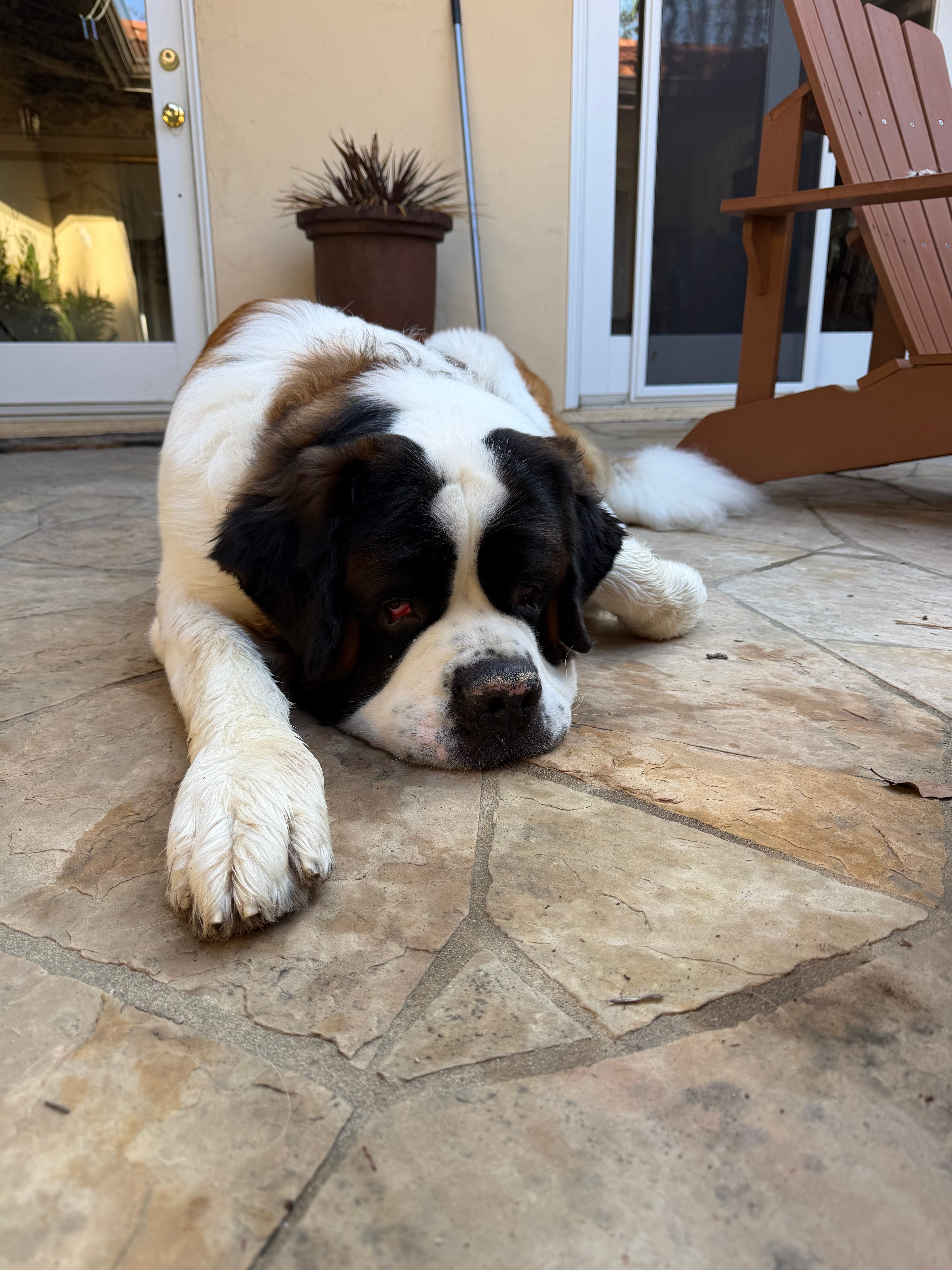
Here’s a quick shot of Magnus relaxing in the courtyard and enjoying the nice cool weather we have here today!