


A Loud Week in AI, and What It Changes for Law Firms
TL;DR: Four labs shipped big releases inside a few days. New models, a real work agent from OpenAI, a voice mode that talks like a person, and a price war. The part that matters for your firm isn’t which model scored highest. It’s that the work is turning from chat answers into finished, interactive product, and that “good enough” intelligence is getting cheap fast. Here’s what that changes, where the risk sits, and what I’d do about it Monday.
Picture the last time you walked a client through a number. A settlement offer, maybe. You slid a page across the table with a column of figures on it, and you watched their eyes drift. They nodded. They didn’t follow. And you spent the next twenty minutes re-explaining what the page already said.
I had a version of that on my mind this week, because I was on a call with a client team, talking through what these AI tools are actually good for. Not the hype. The work. And I said, look, here’s a real example. You’ve got a settlement to present. Instead of a static list of numbers, why not have the AI build a clean visual of it, plus a small interactive calculator so they can move the pieces around and watch what happens live? We tried it right there on the call. It went great. Better than great. One of them leaned in and said, “Wait, can we make it look different?” I told them to describe exactly what they wanted. They typed a new prompt on the spot, and thirty seconds later the visualization came back in a completely different style. No one said anything for a second. Then someone laughed and said, “Okay, that’s actually useful.”
That small moment is the whole story of this week. So let me back up and tell you what actually shipped.
What shipped this week
OpenAI had the loudest few days. It released GPT-5.6, its new flagship, which comes in three flavors: Sol, Terra, and Luna. The names are a bit much. The short version: one for hard problems, one for everyday work, one for cheap and fast. Alongside it came ChatGPT Work, an agent that goes off and builds documents, spreadsheets, and slides across your connected apps while you do something else. And the old Codex app got rebuilt into a new ChatGPT desktop app. I’ve been using it. Despite the noise online, I think it’s very good.
They also put out GPT-Live, a new voice mode. It’s full duplex, which is a fancy way of saying it can listen and talk at the same time, handle you cutting in, and stay quiet when you pause to think. It works across languages too. Talk to it for a minute and it stops feeling like a voice assistant and starts feeling like a phone call.
OpenAI wasn’t alone. Elon Musk’s group shipped Grok 4.5, pointed straight at coding and knowledge work, faster and a lot cheaper than the models it’s chasing. Meta finally put a price tag on one of its own models, Muse Spark 1.1, and opened it to outside developers for the first time. Zuckerberg himself surfaced to announce it after years of silence on X, which tells you Meta thinks it’s back in the game. And Anthropic kept Fable 5, its most capable model, on subscriptions through today, July 12, before it shifts to pay-as-you-go on top of your plan. They say they’ll fold it back into subscriptions once they have the capacity. I hope so. In my own use it’s a step ahead of the pack, especially on design and some of the reasoning I’m seeing.
More is coming. Google’s Gemini 3.5 Pro keeps slipping but should land shortly, and there’s chatter about an Opus 5 from Anthropic. File those under “watch,” not “act.”
That’s the news. Here’s the part I care about.
The real shift: from answers to finished work
Forget the models for a second. For two years, “using AI” mostly meant typing a question and reading a paragraph back. This week made plain something that’s been building for months: the output is changing. You’re not getting an answer anymore. You’re getting a thing. A working spreadsheet. A slide deck. A small app your client can actually touch.
Go back to that settlement. The old version is a PDF of numbers. The new version is a live model where the client drags a slider on the payout structure and watches the tax note and the monthly figure update in front of them. Same math. Completely different meeting. One puts your client to sleep. The other makes them lean in.
Here’s a made-up version so you can see the idea without me sharing anything real.
This was from Claude (Opus 4.8 on Max) - note that I pasted it as four images due to length but it was a single interactive page.
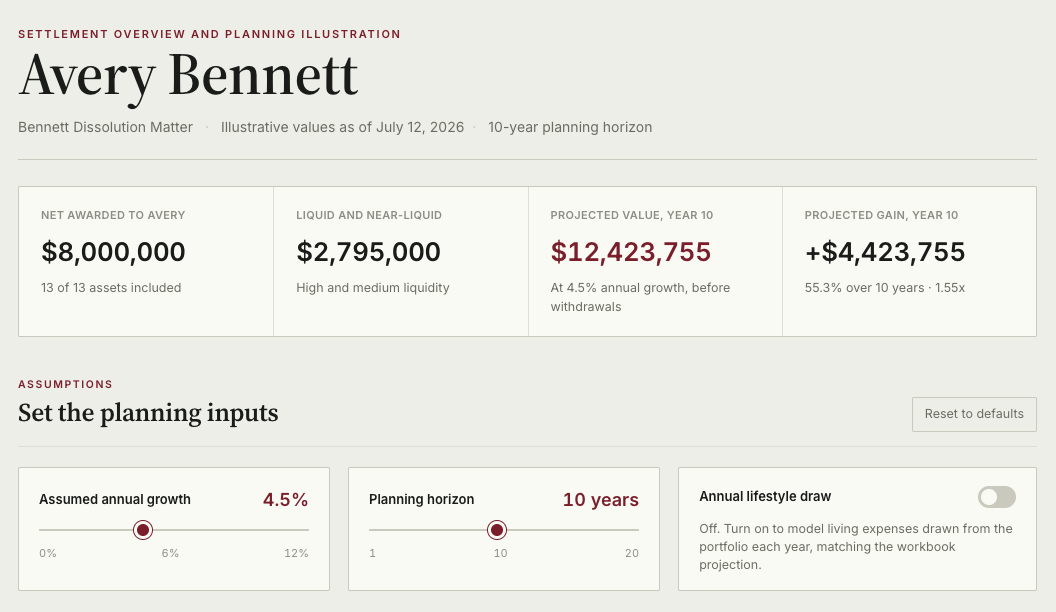
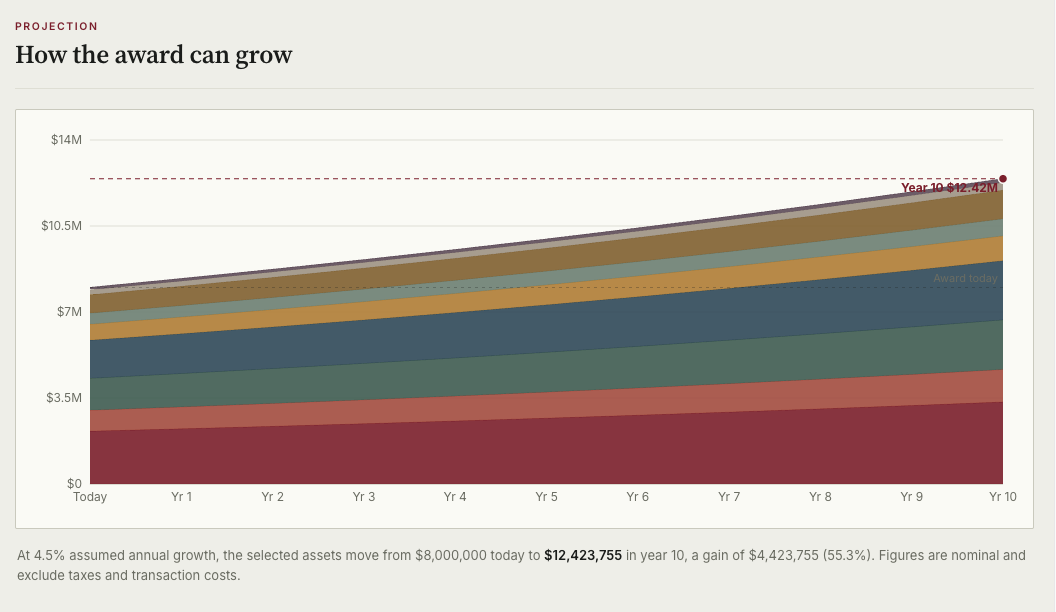
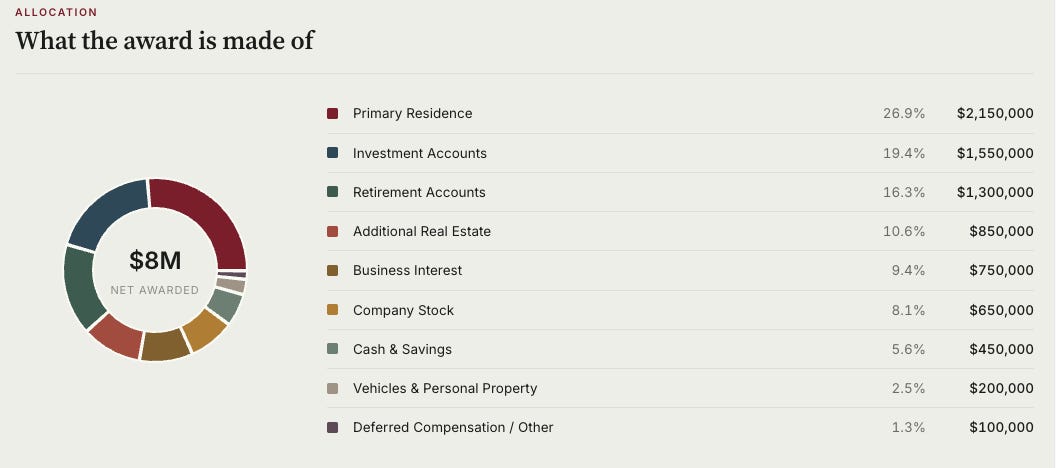
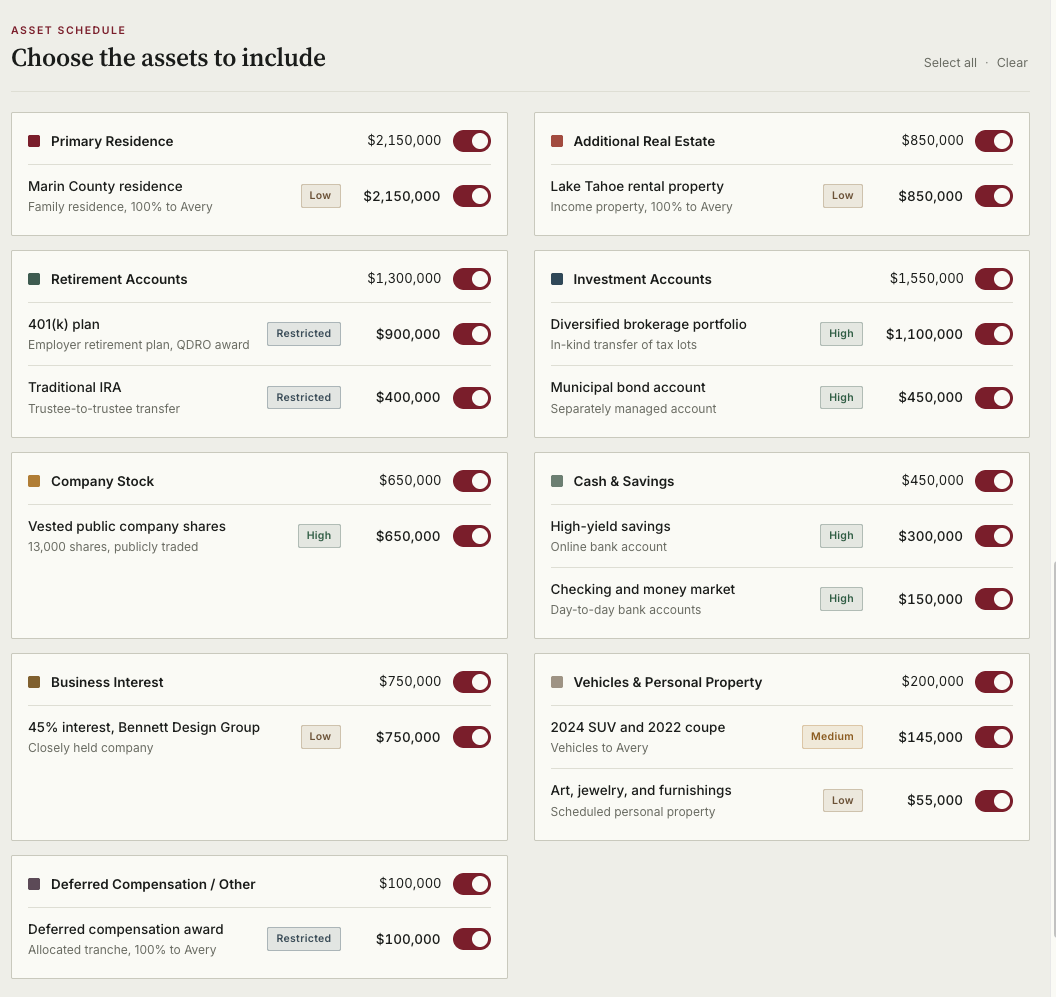
And because I’ve been impressed with what GPT-5.6 is producing, here’s the same kind of thing built on OpenAI’s new model. Again this was a single interactive page but I had to put it into four images to show up here.
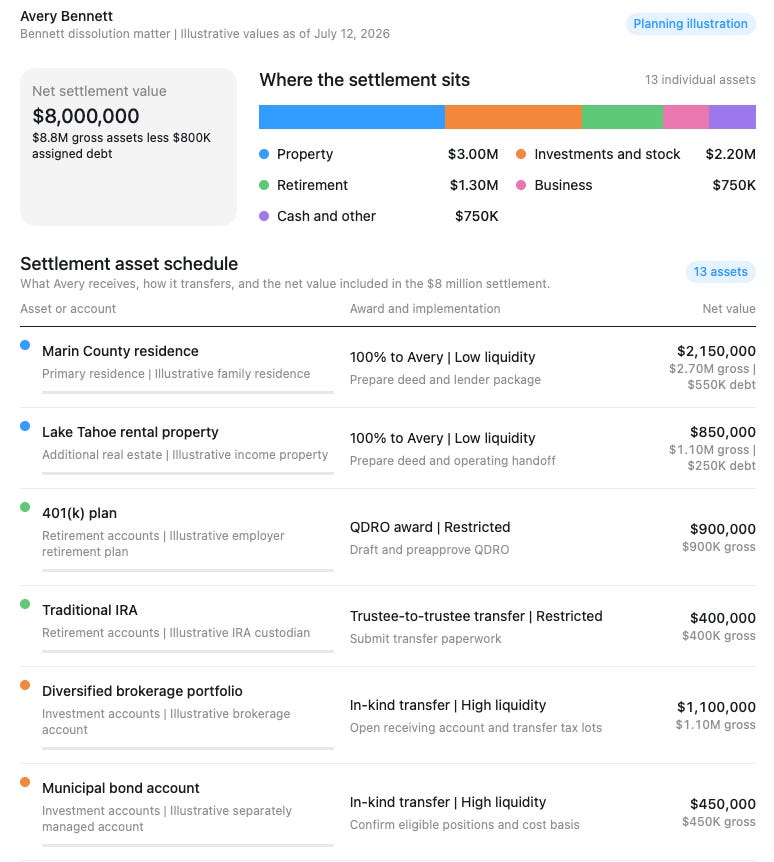
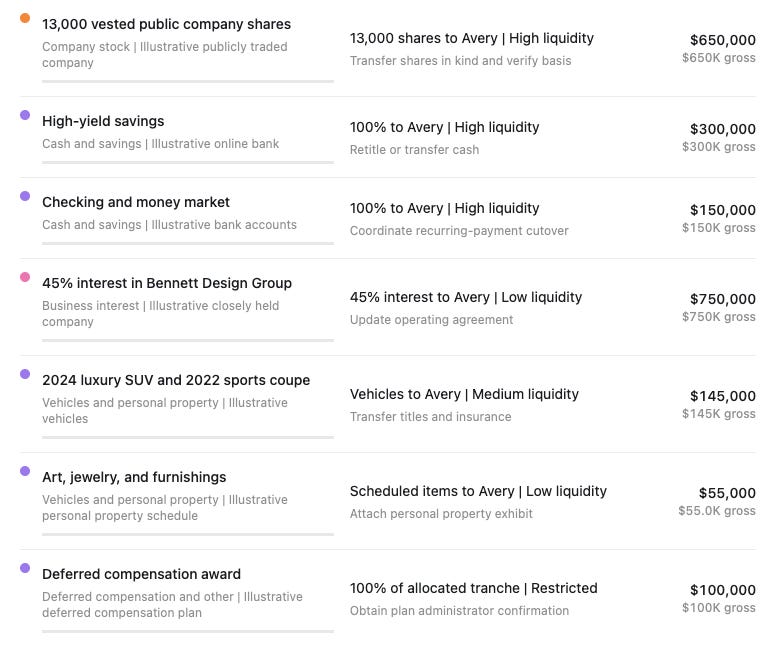
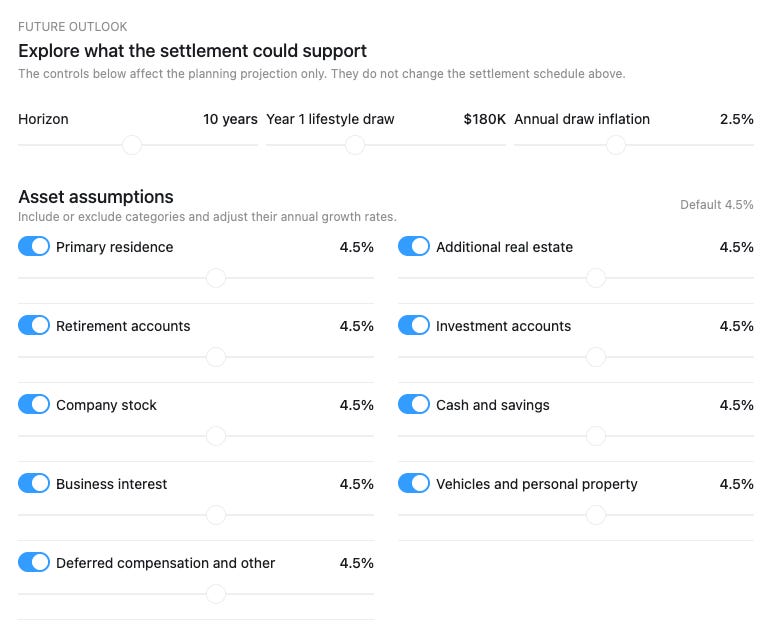
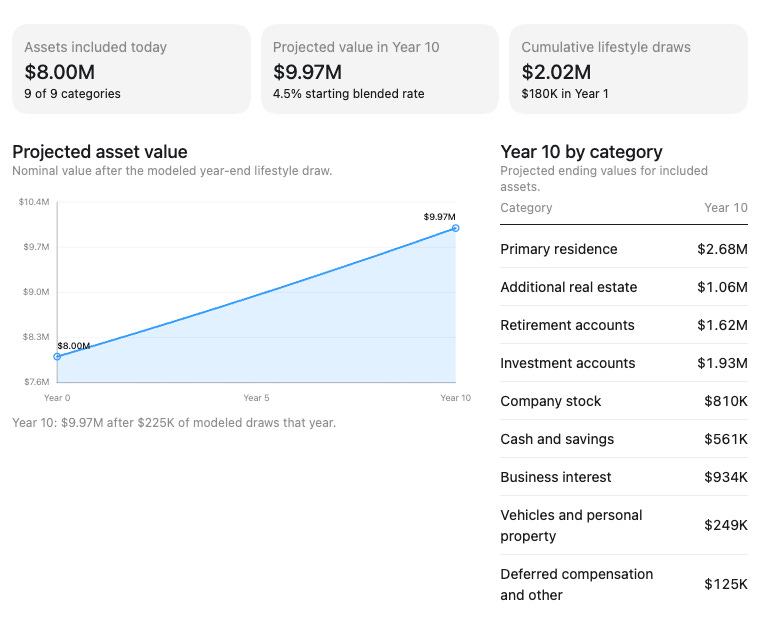
For a firm, this is two things at once: a better experience for the client, and more work out of the same people. The associate who used to spend Sunday afternoon building a spreadsheet can hand that off. The partner who used to email a static exhibit can send a live one. What used to take a day takes an afternoon.
The quieter shift: a price war
The other pattern this week was cost. Grok 4.5 is priced at a fraction of the top models. Meta’s new pricing undercuts everyone as a way to buy its way into the market. Even OpenAI pitched GPT-5.6 on getting more work out of every dollar, not just on being the smartest thing in the room. The competition has moved from “who scores highest” to “who finishes the job for the least money.”
This lines up with something I’ve been saying for a while. So far, AI is taking budgets more than it’s taking jobs. Cheaper capable models mean the math for putting these tools in front of your whole team gets easier every quarter. That’s the opportunity.
Fable moving off subscriptions cuts the other way. If your firm has been leaning on Fable 5 inside a subscription, that stops today. Starting tomorrow it bills as usage on top of your plan, and it won’t be a rounding error. Better to know that before it shows up on the bill.
Where the risk lives
Cheaper and faster is not the same as safer, and for legal work that gap is the whole game. Some of the new low-cost models trade accuracy for speed, and independent testers have flagged exactly that. A confidently wrong citation costs you far more than the tokens you saved, especially once it’s sitting in a filing or an email to a client. For our work, the number that matters isn’t cost per query. It’s cost per correct answer.
The next one is terms, not price. A cheap model running under a consumer account is a confidentiality problem no matter how good it is, because consumer terms and commercial terms treat your client data very differently. Before anyone on your team pastes a matter into a shiny new tool, know which account it’s running on and what that account’s terms actually say.
And a smaller point. Don’t rebuild your whole stack around this week. Four labs leapfrogged each other in five days. Whatever looks like the clear winner today will have company by next month. Pick tools you can walk away from.
What I’d do Monday
Take one client deliverable you already produce, a settlement summary, a fee comparison, a case timeline, and rebuild it once as an interactive visual. Then see how the next client meeting feels.
Check which AI model your firm’s account actually uses, and under which terms, consumer or commercial, before you trust it with anything privileged.
If you rely on a premium model that’s shifting to usage pricing, set a monthly spending cap now so the bill doesn’t catch you off guard later.
None of this requires betting the firm. It requires an afternoon.
The models will keep trading places. The direction won't: AI output is turning into finished work you can hand a client and let them move with their own hands, and that shows up in the very next meeting you run. You don't have to bet the firm to see it, just rebuild one deliverable you already produce as something live and watch your client lean in instead of nod off. If you want a second set of eyes on where to start, or on which tools you can trust with privileged work, I'm at steve@intelligencebyintent.com. Watch the direction, not the leaderboard, and let the labs fight it out without you.
If you enjoyed this article, please share it with others.