


Deepfakes Are Walking Into Court Before the Rules Are Ready
TL;DR: This isn’t a 2027 problem waiting on new federal rules to show up. It’s a today problem. The firms that still treat a video clip as presumptively real are the ones who’ll get burned, and not always by a fake. Sometimes by a real recording the other side simply calls fake. Provenance is becoming the new privilege. Build the habit before you need it.
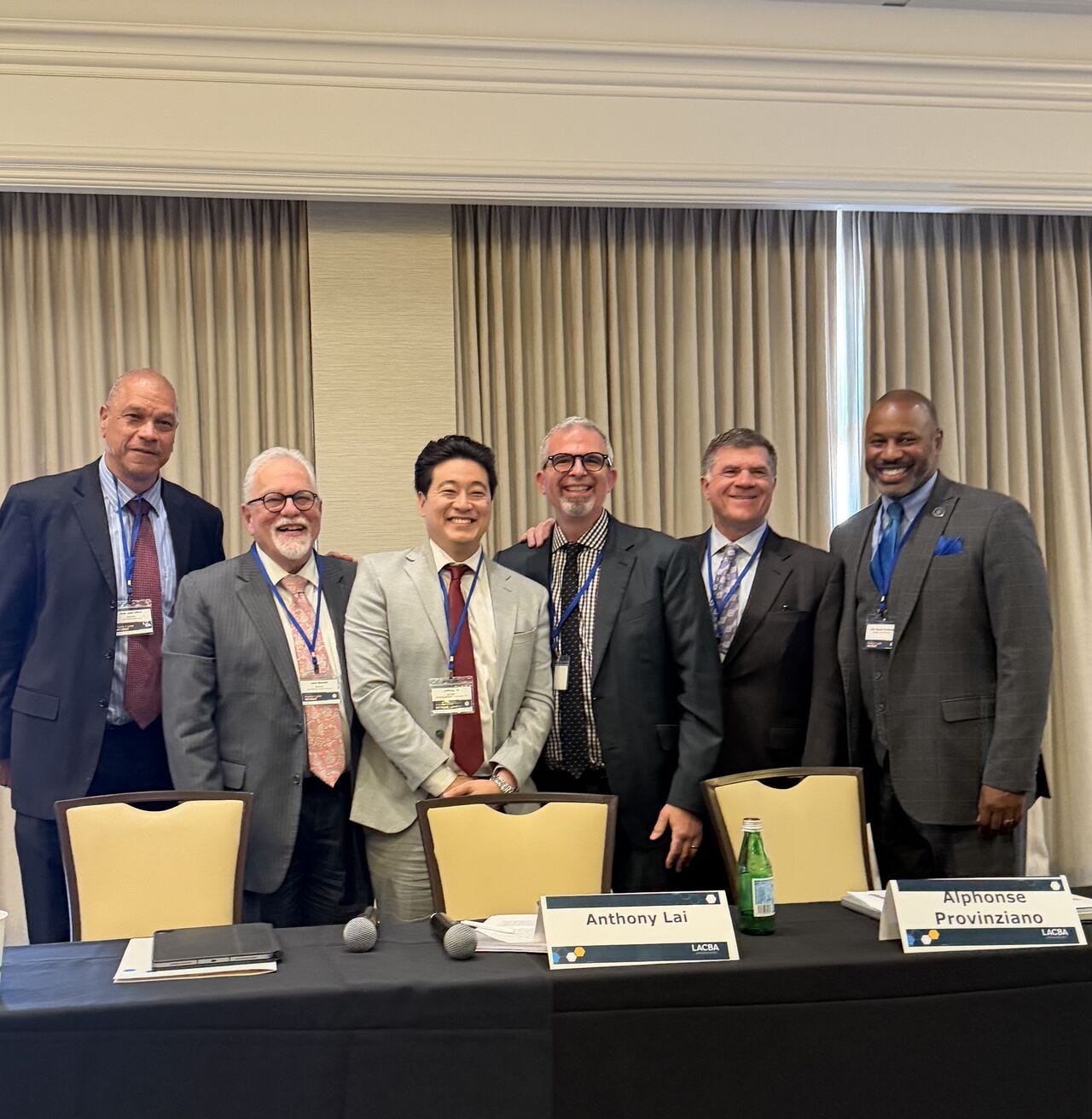
I spent this weekend in Carlsbad at an LA County Bar Association Family Law off-site, on a panel about AI and the law. Good crowd, sharp questions, the kind of weekend where you leave with more notes than you came with.
The best conversation, though, happened off to the side.
Someone asked a question that didn’t have a tidy answer. What happens when a litigant hands the court a video that looks one hundred percent real and one hundred percent didn’t happen? Not a grainy, obviously doctored clip. A clean one. Lighting right, audio synced, the defendant clearly saying the thing he swears he never said.
I’d been chewing on this already. A couple of weeks earlier I was at Google I/O, watching them show off Gemini Omni, their new model that builds and edits video from a sentence, a photo, a few seconds of audio, whatever you feed it. It is genuinely impressive. It is also the kind of thing that should make every litigator sit up a little straighter.
Here’s what actually changed
Making convincing fake video used to be hard. It took a skilled team, real money, and time. Now it takes a prompt and a few minutes.
The security world’s estimates put deepfake files somewhere near half a million in 2023 and in the millions by last year. Treat the exact figures as ballpark. The direction is the part that matters, and the direction is straight up.
Volume is the obvious worry. It’s also the wrong one to fixate on, because something quieter is doing more of the damage.
For about a century, courts leaned on a simple assumption: a photo or a recording is presumptively what it claims to be. Authentication was mostly a box you checked on the way to the real fight. That assumption just died. And when it dies, it doesn’t only let fakes in. It hands everyone a reason to doubt the real thing.
The bigger threat isn’t the fake. It’s the doubt.
Here’s what I mean. Back in 2023, in a wrongful death case over a fatal Tesla crash, the plaintiffs wanted to use recordings of Elon Musk making big claims about Autopilot’s safety. Tesla’s lawyers argued the recordings might be deepfakes and shouldn’t count. The judge wasn’t having it. She pointed out the obvious problem. If being famous enough to be deepfaked means your own recorded words can’t be used against you, then anyone prominent can say whatever they want and wave it away later.
That case is the whole thing in miniature. The danger isn’t only that someone slips a fabricated video past a jury. It’s that every authentic video now arrives with a built-in defense. “That’s AI.” Researchers even have a name for it. The liar’s dividend. The more fakes that exist, the easier it gets to dodge real evidence by calling it fake.
Watermarks help, right up until they don’t
The reasonable hope is that the same technology creating the problem will also label it. Google stamps its Gemini Omni output with SynthID, an invisible watermark baked into the file. There’s a broader industry standard called C2PA, sometimes branded as Content Credentials, that attaches a tamper-evident record of where a file came from and how it was changed along the way.
Both are good ideas. Neither saves you.
The honest player watermarks. The person trying to frame someone, win a custody fight, or sink a deal does not. And plenty of capable tools, the ones that never make a keynote stage, won’t mark anything at all. So the absence of a watermark tells you almost nothing. You cannot build a case strategy around a label the other side was never going to apply.
The rules are coming. Slowly.
The federal rulemakers see it. There are two efforts worth knowing about, and they solve different problems.
The first, proposed Rule 707, would treat machine-generated output offered without a human expert the way we treat expert testimony, holding it to real reliability standards. Helpful. But it only kicks in when a party admits the evidence came from a machine. It does nothing about a video someone passes off as a genuine home recording.
The deepfake piece is a proposed addition to Rule 901, the authentication rule. The idea is a burden shift. If you challenge something as fabricated, you have to put forward enough to make fabrication plausible, not just say the word. Then the burden moves to the side offering the evidence to prove it’s real under a higher standard than the usual light touch. The committee has been careful here, and rightly so, because a world where anyone can stall a trial by shouting “deepfake” is its own kind of broken.
Now the catch. The comment window on the machine-evidence rule closed in February. The committee took up the deepfake language this spring. Even on the optimistic path, the earliest any of this becomes binding federal law is December 2027. Louisiana has already passed its own AI evidence verification law, so the states aren’t sitting still. But if you’re trying a case in 2026, you are working in the gap. The technology is here. The rules are not.
Before you turn every exhibit into a forensic fight
One caution, because the cure can be worse than the disease. If lawyers start crying deepfake over every inconvenient clip, dockets jam and the guilty get a free tool for muddying clean evidence. That’s the committee’s nightmare, and it should be yours too. Most of the time the boring stuff still wins anyway. Chain of custody. Metadata. A witness who can say under oath where a file came from. Those beat any detection software on the market, and they cost a lot less than the expert you’ll otherwise be hiring at the worst possible moment.
What to do Monday morning
You don’t need a new rule to start. You need new habits.
Treat provenance as a workflow, not an afterthought. When evidence comes in, capture the original file, its metadata, and a hash, and write down who touched it and when. The cheapest insurance against a deepfake fight is a clean record of where the thing came from.
Find your forensic person before you need them. Build the relationship with a media authentication expert now, while it’s a calm conversation and not a fire drill two weeks out from trial. You want a name in your phone, not a frantic search.
Train your team for the “that’s AI” move. Your intake staff and your litigators should both ask “where did this come from” by reflex, and your trial lawyers should expect opposing counsel to wave a hand at your best exhibit and call it a fake. Build the answer before the question lands.
None of this is about fearing the tools. The shift worth watching is quieter than any fake: the burden is sliding off the people who lie and onto the people telling the truth, and provenance is becoming what protects you, the way privilege always has. You can build that habit now, while it's still a choice and not a fire drill two weeks out from trial. If your firm is working through what this means for how you handle evidence,
I'd be glad to talk it through: steve@intelligencebyintent.com. Soon, holding the real video won't end the argument; it'll start one, and the firms that built the muscle early are the ones who'll win it.